














































Nigeria’s education sector is facing a familiar but increasingly urgent challenge: how to fund a growing population of learners while improving the quality, accessibility and relevance of education.


For years, successive governments have struggled to provide sufficient funding for schools, universities, teachers, infrastructure, research and student support. The challenge has become even more pressing as inflation, population growth and rising enrolment continue to increase the cost of providing education.

Against this backdrop, the growing involvement of private capital and philanthropy in education is attracting renewed attention.
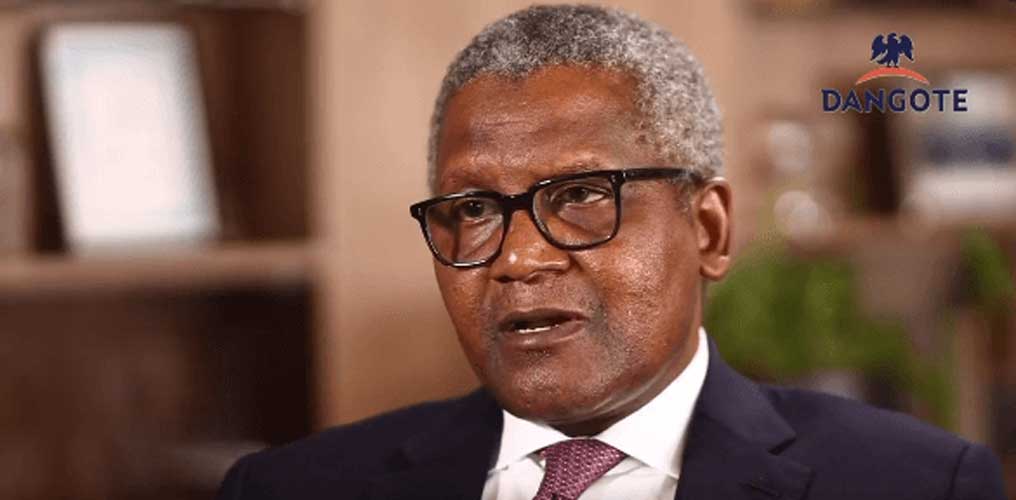
One of the most prominent examples is the Aliko Dangote Foundation, which has committed substantial resources to supporting education in Nigeria. The foundation recently announced a scholarship programme targeting 30,000 students in public universities in its first phase, highlighting the potential role of private philanthropy in reducing the financial burden on students and families.

Dangote has also announced a long-term education support initiative estimated at ₦1 trillion over 10 years.
These interventions come at a time when the administration of President Bola Tinubu is implementing several reforms aimed at improving access to tertiary education and reducing financial barriers for Nigerian students.
The establishment and expansion of the Nigerian Education Loan Fund (NELFUND) is one of the administration’s major interventions. Through student loans, the Federal Government is seeking to ensure that lack of immediate financial capacity does not prevent eligible Nigerians from accessing higher education.
Yet student financing alone cannot resolve Nigeria’s broader education funding crisis.
Universities require laboratories, libraries, lecture halls, digital infrastructure and research funding. Primary and secondary schools require classrooms, teaching materials and qualified teachers. Beyond infrastructure, the education system needs sustained investment in teacher development, curriculum reform, technology and skills acquisition.
This is where private capital can play a complementary role.
The involvement of wealthy individuals, foundations, companies and development organisations can provide additional resources for areas where public funding is insufficient. Scholarships can keep students in school. Corporate investments can provide equipment and technology. Philanthropic funding can support research, innovation and teacher development.
However, private funding should not become a substitute for government responsibility.
Education is a public good, and the primary responsibility for guaranteeing equitable access to quality education remains with the state. Private philanthropy is often selective, depending on the priorities of individual donors or organisations. Government funding, by contrast, has the potential to provide a broader and more systematic response to national education needs.
There is also the question of sustainability.
A scholarship programme can support thousands of students, but Nigeria has millions of learners across its basic, secondary and tertiary education systems. A philanthropic intervention may transform a particular institution or community, but it cannot by itself address the nationwide shortage of classrooms, teachers, laboratories and learning resources.
The challenge, therefore, is not whether Nigeria should choose public funding over private capital. It is how both can work together without weakening the government’s responsibility to education.
For the Tinubu administration, increased private-sector participation could provide valuable additional resources for education reform. But such partnerships need clear objectives, transparent reporting and measurable outcomes.
For private organisations such as the Dangote Foundation, the greatest impact may come when philanthropic investments complement national priorities rather than operate separately from them.
Nigeria could benefit from a stronger framework for education philanthropy, where government identifies priority gaps and private-sector partners contribute resources, expertise and innovation within transparent structures.
Such an approach could be particularly useful in areas such as technical and vocational education, digital learning, teacher training, research, scholarships and school infrastructure.

The bigger question is how to move from isolated acts of philanthropy to a coordinated education financing ecosystem.
Nigeria does not lack wealthy individuals, companies or organisations willing to invest in education. What it needs is a system capable of ensuring that such investments reach the areas of greatest need and produce lasting outcomes.
Dangote’s education commitments demonstrate what substantial private resources can contribute. Tinubu’s education financing reforms demonstrate the continuing role of government in expanding access.
Neither approach, however, can solve the problem alone.
If Nigeria is serious about closing its education funding gap, the future may lie in a stronger partnership between government, private capital, philanthropy and development institutions, with accountability and national priorities at the centre.
The ultimate measure of success should not simply be how much money is committed to education, but how many more Nigerian children and young people gain access to quality learning, complete their education and acquire the knowledge and skills needed to contribute meaningfully to the country’s development.













 EduTimes Africa, a product of Education Times Africa, is a magazine publication that aims to lend its support to close the yawning gap in Africa's educational development.