
























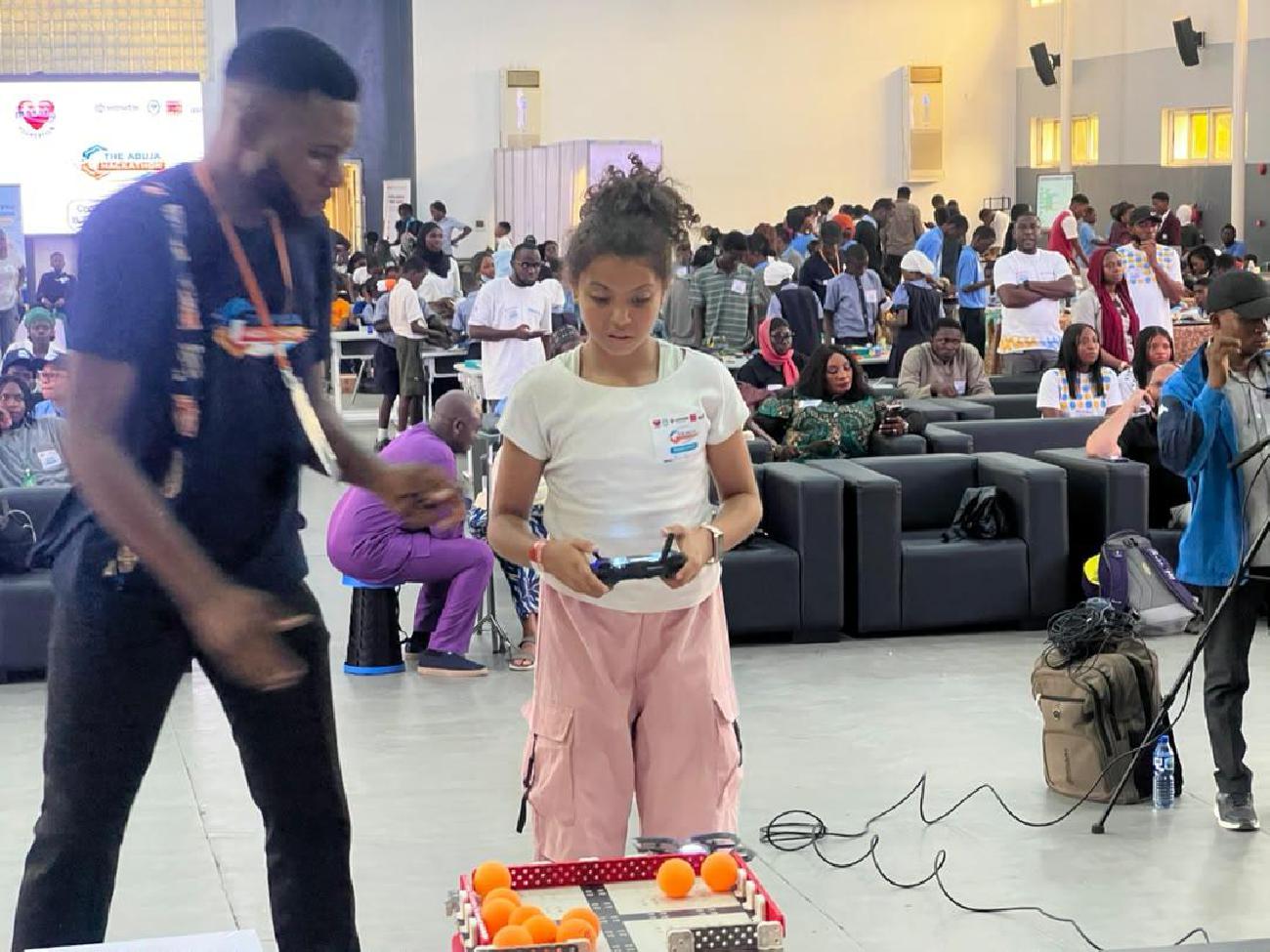


ABUJA — For decades, the structural critique of the Nigerian education system has remained predictable – an over-reliance on rote learning, theoretical consumption and rigid classrooms that leave students separated from practical, real-world applications. However, a profound paradigm shift is sweeping through the nation’s capital. The just-concluded Abuja Hackathon 2026 has shattered traditional academic boundaries, growing from a competitive exhibition into a high-stakes, 48-hour living laboratory where the country’s youth are growing into creators, builders and practical problem-solvers.



Organised by Mairaisha Foundation and Glisten International Academy and guided by the theme ‘Code, Create, Innovate: Building a Smarter Nigeria’, this initiative commenced three months ago with a mind-blowing national pool of over 600 participating schools. Following rigorous regional screenings and technical reviews, an elite contingent of 161 finalist teams advanced to the grand national stage at Baze University, Abuja.

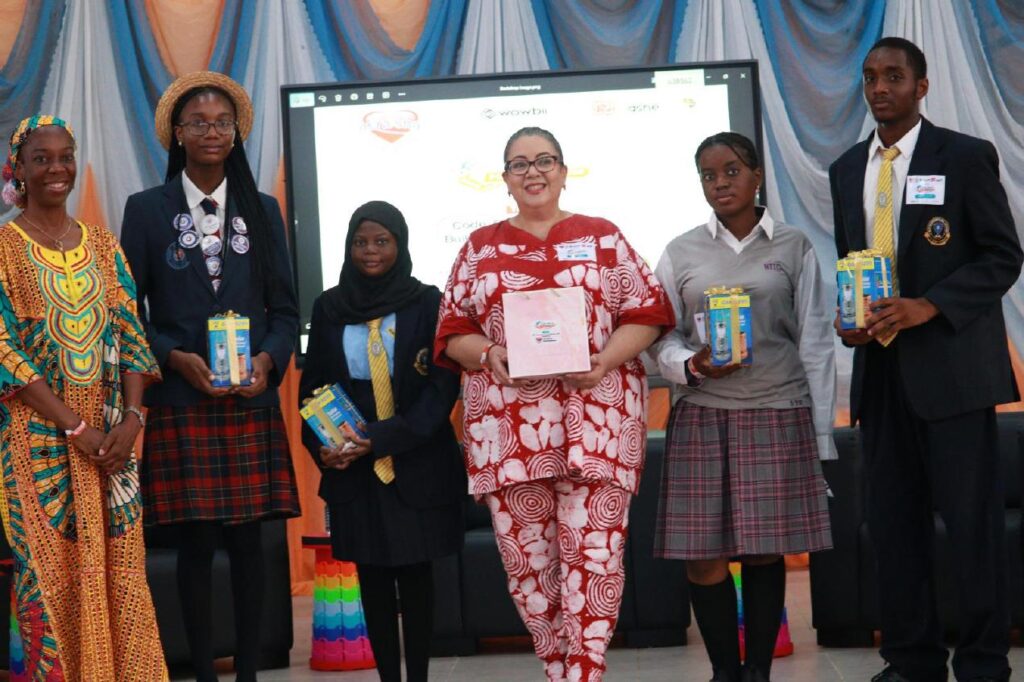
With a huge estimated budget of ₦100 million, funded and backed by an influential coalition of over 20 high-profile partners—including financial giants like Jaiz Bank and GTBank, regulatory pillars like the Nigerian Communications Commission (NCC), and academic institutions like Baze University—the event exceeded expectations as it found a fine intersection point between public policy, corporate investment and grassroots technological innovation.
The Abuja Hackathon Grand Blueprint

The philosophical framework of the Abuja Hackathon 2026 stems from the fundamental pillars of the ‘Makerspace’ model: ideation, design, prototyping, iteration and pitching. As explained by the visionary Convener, Engineer Abba Abdullahi Saidu, the initiative was intentionally structured to equip elementary, middle and secondary school students (aged 6 to 18) with the technical currency demanded by the future global economy.
‘In an era where raw knowledge alone is no longer enough, hands-on technical competencies are the true currency of tomorrow,’ Engr. Saidu remarked during his opening address. ‘Nigeria continues to battle systemic structural bottlenecks—ranging from an epileptic power supply and infrastructure deficits to overstretched healthcare facilities. The Abuja Hackathon does not look outward for solutions. It tasks our own young minds with converting these immediate, real-world Nigerian crises into scalable, market-ready tech solutions.’
The incentive for these student innovators could not have been higher. Beyond institutional accolades and academic recognition, the top two national finalists earned fully sponsored slots to fly the green-white-green flag and represent Nigeria at the prestigious World Robotics Competition in China later this year, 2026.
Highlights from the Arena
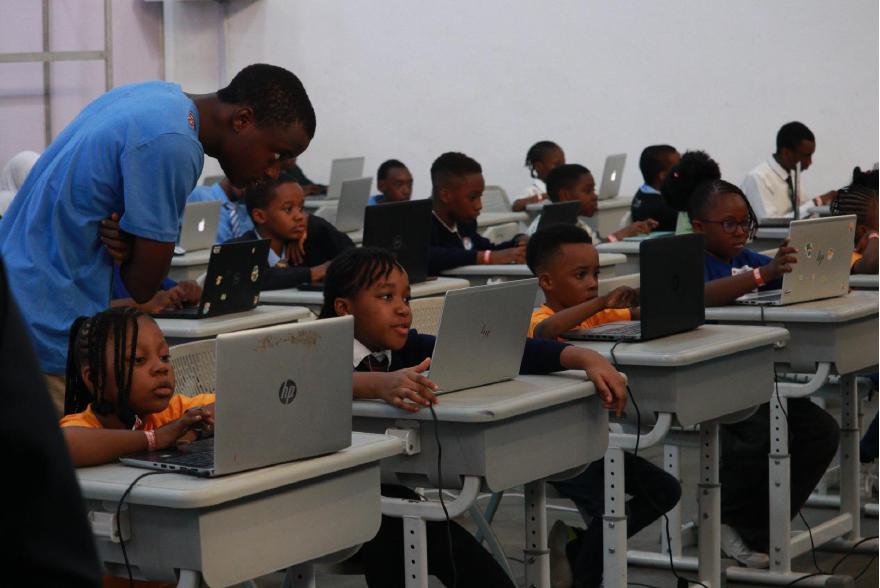
The atmosphere within the Baze University exhibition halls across the two-day sprint was defined by a good mix of intense focus, frantic coding and productive fun. Elite teams from top-tier schools across the Federal Capital Territory (FCT) and neighbouring states were grouped into specialised technological tracks, working tiredlessly under the close supervision of certified industry mentors.
Among the standout innovations capturing the attention of the judges on Day 1 was the project from Funtaj International School, whose students designed an autonomous rescue robot equipped with specialised sensory modules to locate and assist individuals trapped in disaster zones or dangerous debris.
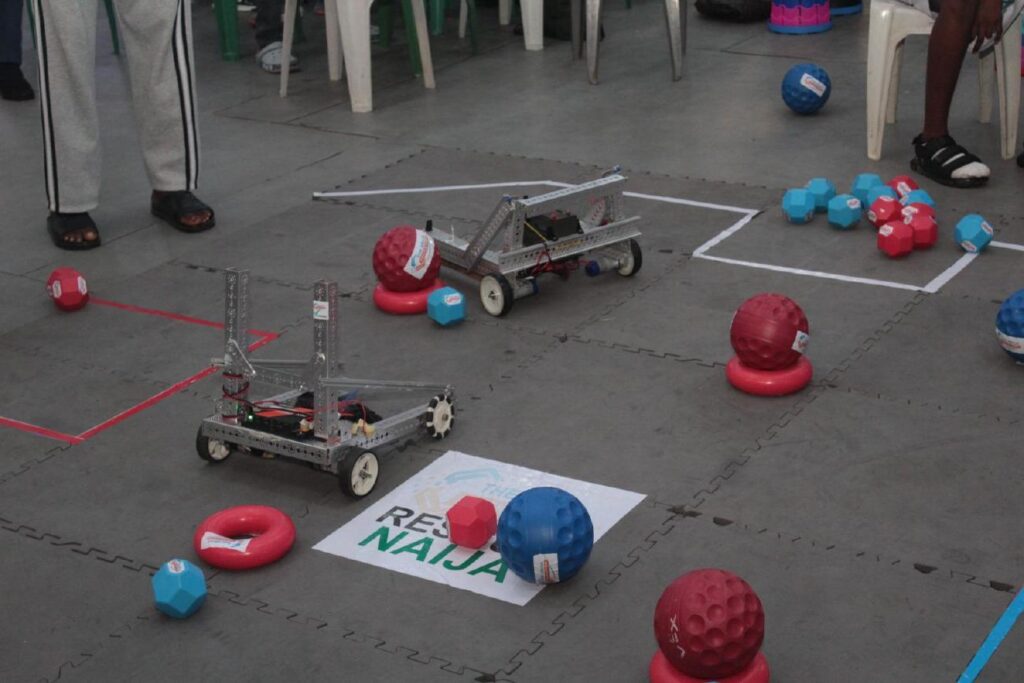
‘I am thoroughly glad to see these kids genuinely having fun while tackling brutal, complex engineering problems,’ noted Mr Arinze, a mentor from Funtaj International School. He emphasised that the environment of the hackathon was as much an exercise in character-building and emotional resilience as it was about writing neat lines of code. The competitive framework was segmented into four technical disciplines for the 161 finalists, ensuring a fair representation of foundational programming, hardware engineering and autonomous flight mechanics:
iCode / Coding Track (71 Teams): The largest segment of the competition, which focused on software development, algorithmic thinking and game/app design across various age groups.

Robotics & VEX VR Coding Track (43 Teams): A rigorous track requiring students to construct physical models or navigate intricate virtual environments utilising sensor data and precise mechanical movements.
AI, IoT & Open Innovation Track (33 Teams) The sandbox for advanced secondary school students who use smart interconnected devices, data analytics and automated machine learning to address real life issues.
Drone Engineering & Aerial Problem-Solving Track (14 Teams): A high-flying category challenging students to build, calibrate and programme Unmanned Aerial Vehicles (UAVs) for autonomous navigation, mapping and logistics deployment.
While the overwhelming majority of teams represented the Federal Capital Territory—with sub-regions spanning Abuja Municipal, Gwagwalada, Kubwa, Mpape, Asokoro, Gwarinpa, and Bwari—the hackathon attracted cross-border participation from highly competitive technical clubs out of states such as Nasarawa and Oyo State.
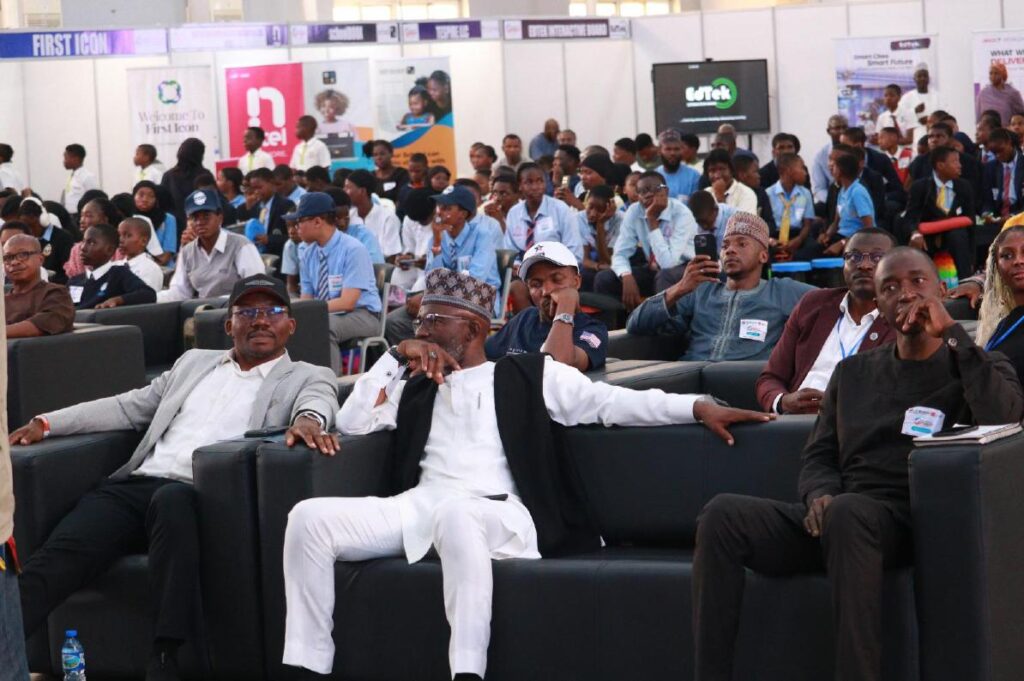
International and private-sector validation was palpable, highlighted by the high-profile attendance of tech stakeholders, corporate executives and international delegates, including Mr Terfa Addingi, CEO of Craft Design Nigeria Limited. This support only shows a growing global consensus that Africa’s economic transformation will be driven by localised, youth-led technological literacy.
Schools in Attendance
The tournament roster read like a Who’s Who of Nigerian academic excellence and some highly competitive public institutions and grassroots foundation teams:
Glisten International Academy as the primary partnering institution alongside the Miraisha Foundation. Glisten fielded several elite teams across multiple categories. Their students dominated the Python Middle and Blockly Beginner lists, with standout national qualifiers including Abdullahi Umar-Farouk Hassan, Atta Nasim Simpa, and Karimu Joseph Olufemi.
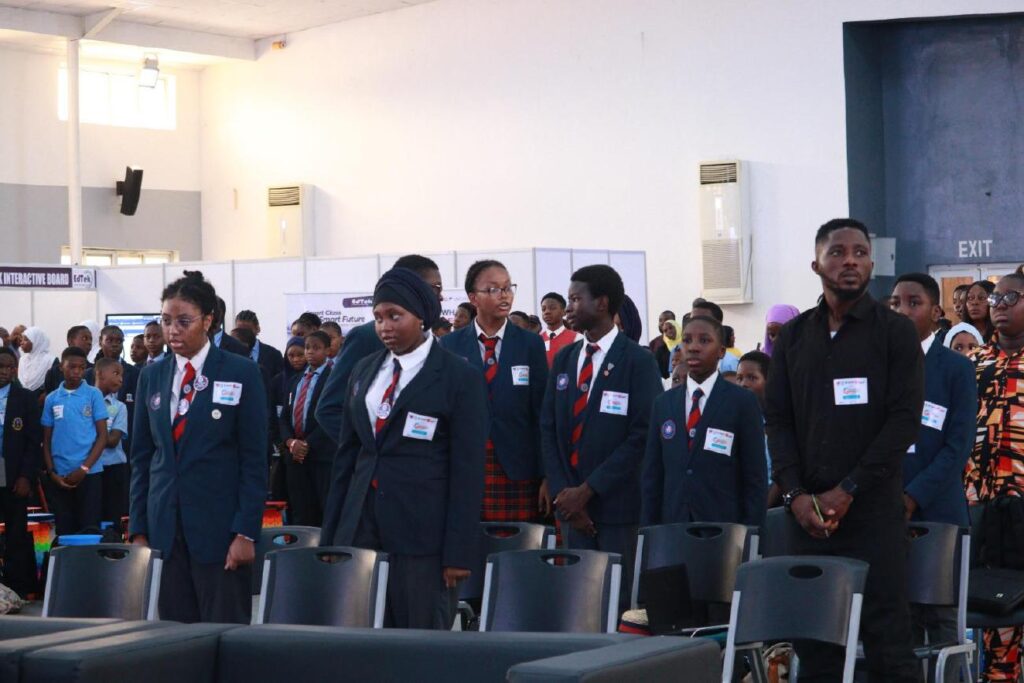
Olumawu School was an absolute powerhouse in the foundational categories. They achieved massive representation in the national finals. Young innovators like Izuchukwu Michelle Chimzaram Olanna and Ikeh Eric-Earl Olotuche led the charge in the Blockly Beginner division, while Eyimoga Daniel Owoichofie anchored their advanced Python coding teams.
Start-Rite Schools, renowned for their rich digital literacy programmes. Start-Rite’s finalists, including Waleed El-Yakub and King Ehizo, showcased remarkable proficiency in advanced Python scripting and algorithmic optimisation.

Ischolars International Academy showed that they are a major force in the middle school coding bracket. Ischolars qualified multiple high-achieving students, such as Amina Garba, Umar Faruk Musa and Muhammad Alamin Salihu, for the upper echelons of the final leaderboard.
Toddlers Haven and Everest Heights International Academy demonstrate that technological literacy begins in early childhood. This academy made significant waves with foundational software architectures built by bright minds like Jethro Asi Bassey and Emmanuel Offornagoro. Highlighting the event’s commitment to spread across sectors, the finals featured impressive, high-utility prototypes from public institutions and specialised tech clubs.
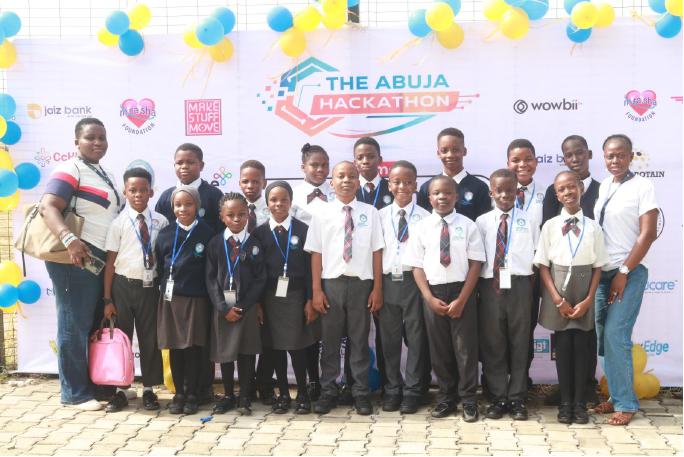
These included Army Day
Secondary School (Asokoro), Government Secondary School (Gwarinpa), Government Secondary School (Kubwa), Government Science Technical College (Bwari) and the GSS Mpape Robotics Club, proving that brilliant tech innovation cuts across all socio-economic barriers.
Inter-state teams, such as Team SmartHealth from Bashorun High School (Ibadan, Oyo State), injected fierce regional competition, presenting specialised biomedical IoT solutions that earned high praise from the central judging panel.
The Final Stretch
As the rigorous 48-hour hacking window drew to a close, the electric atmosphere shifted into a dense, high-stakes pitch room. Student teams were given strictly timed windows to present their functioning prototypes before a panel of uncompromising industry judges, venture capitalists, and engineering experts.
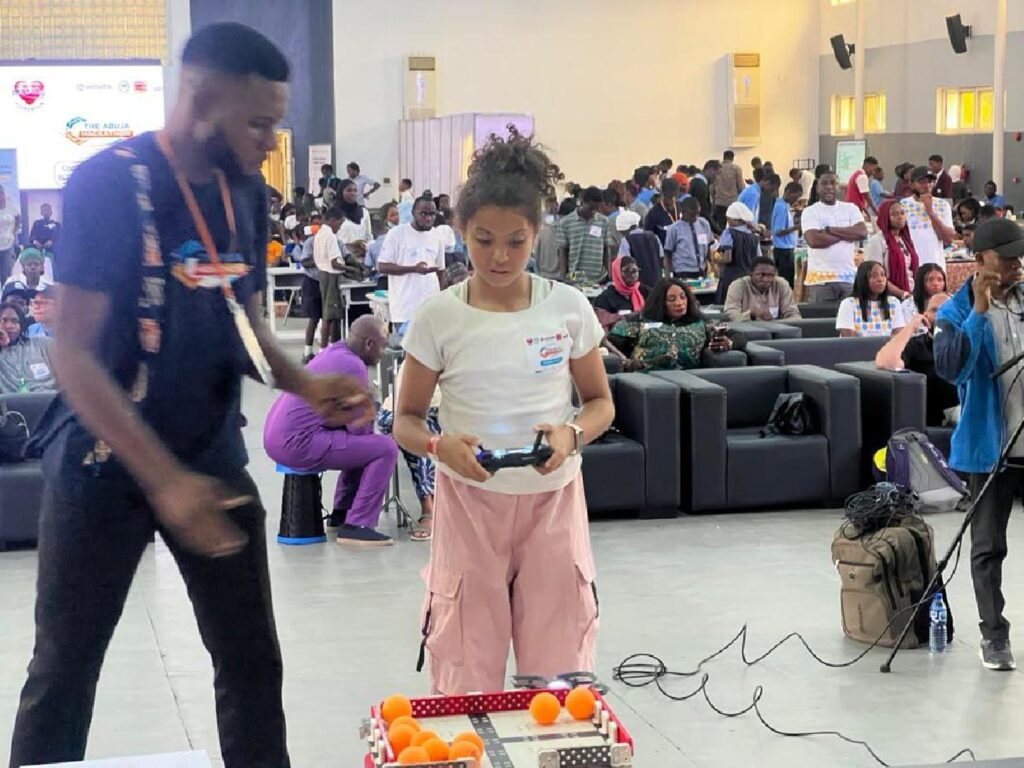
Prototypes were systematically scrutinised using three brutal metrics: technical viability (does the code and engineering actually work under stress?), scalability (can this solution be deployed affordably across rural and urban Nigeria?) and Immediate Impact (does it solve a verified problem under the 2026 Nigerian landscape?).
The Abuja Hackathon 2026 has proven to be far more than a simple weekend tech competition; it is a profound testament to what is possible when corporate sponsorship, institutional willpower and youth brilliance converge. By bridging the massive gap between theoretical academic curricula and the practical demands of the global tech industry, the Miraisha Foundation and its partners are not ordinarily preparing students for the future—they are actively empowering the next generation to build a smarter, safer and completely self-reliant Nigeria.












 EduTimes Africa, a product of Education Times Africa, is a magazine publication that aims to lend its support to close the yawning gap in Africa's educational development.