

























Higher education is entering a period of significant transformation. While many predictions about the future of universities focus on crisis and collapse, experts suggest that the next decade will be defined more by adaptation than by catastrophe.



According to an analysis by journalist Jay Caspian Kang, several trends are likely to reshape colleges and universities around the world.

1. The Enrollment Challenge Will Intensify
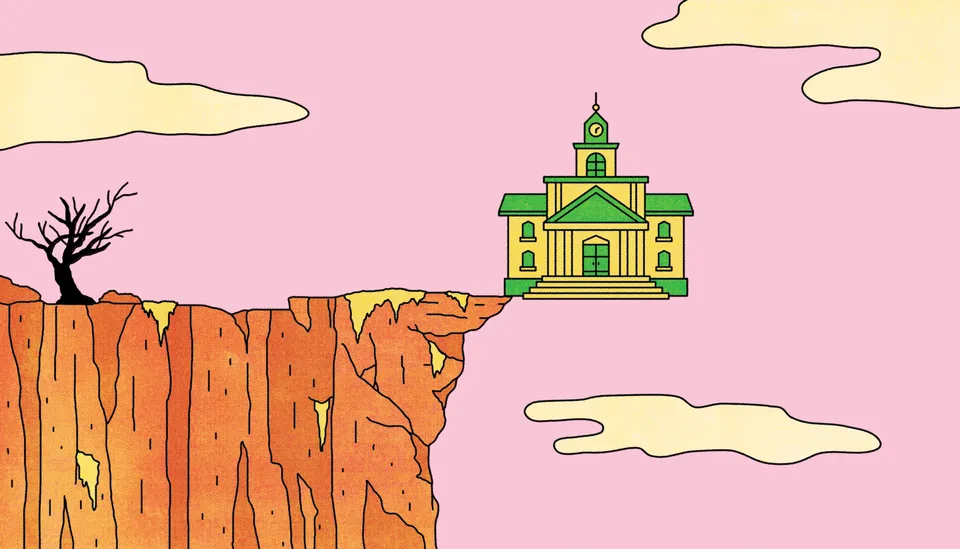
Many institutions are facing what experts call an “enrollment cliff” as the number of college-age students declines in several countries. This demographic shift could force some universities to merge, downsize, or even close their doors.

2. Artificial Intelligence Will Transform Learning
The rapid advancement of Artificial Intelligence (AI) is changing how students learn, write, research, and complete assignments. Universities will need to rethink teaching methods, assessment systems, and academic integrity policies in response to these changes.
3. Traditional Degrees May Face Greater Scrutiny
As tuition costs continue to rise, students and parents are increasingly questioning whether a university degree guarantees value for money. Institutions may face pressure to demonstrate clearer links between education and career opportunities.
4. Universities Will Need to Differentiate Themselves
Rather than offering similar experiences, colleges may be compelled to develop unique identities and strengths. Institutions that fail to stand out could struggle to attract students in a competitive environment.
5. Professors Will Need New Roles
The role of lecturers and professors may evolve from being primary sources of information to becoming mentors, guides, and facilitators who help students navigate knowledge that is increasingly accessible through technology.
6. Technology Will Redefine the Classroom
Digital platforms, virtual learning tools, and AI-powered educational resources are expected to become even more integrated into higher education. The traditional classroom model may give way to more flexible and hybrid learning experiences.
7. Student Expectations Will Change

Today’s students expect personalized learning experiences, career relevance, technological integration, and greater flexibility. Universities that fail to meet these expectations may find it difficult to remain attractive.
8. The Future Is Change, Not Collapse

Despite concerns about AI, declining enrollments, and financial pressures, higher education is unlikely to disappear. Instead, the sector is expected to undergo substantial restructuring as institutions adapt to new realities.
What This Means for Educators and Students
For educators, the future demands innovation, flexibility, and a willingness to embrace new technologies. For students, success will increasingly depend on developing skills such as critical thinking, creativity, adaptability, communication, and lifelong learning.
The universities that thrive in the coming decade will likely be those that successfully combine academic excellence, technological innovation, and meaningful human connection.
Source: Adapted from “Eight Predictions for the Future of Higher Education” by Jay Caspian Kang, published in The New Yorker (June 9, 2026).














 EduTimes Africa, a product of Education Times Africa, is a magazine publication that aims to lend its support to close the yawning gap in Africa's educational development.