





















The Malawi government has defended its decision to approve a 100 per cent increase in tuition fees at the country’s five public universities, saying the move is necessary to address a worsening financial crisis in the higher education sector.

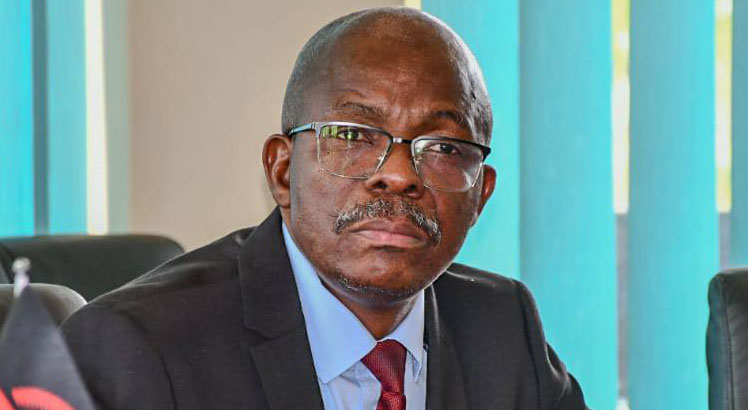
Secretary for Education Dr. Ken Ndala said the universities requested a review of tuition fees due to inadequate funding and rising operational costs.


According to him, the institutions presented three proposals to the Ministry of Education: the introduction of full economic cost-recovery fees, a 60 per cent cost-recovery model, or an immediate doubling of existing tuition fees.

The government approved the third option, describing it as the most practical short-term measure to keep the universities running.

Despite concerns over the impact of the increase, Ndala assured parents and students that the government remained committed to ensuring that financially disadvantaged students would not be denied access to higher education.
“Government remains committed to ensuring that no deserving student is denied access to higher education due to financial constraints,” he said.
However, education expert Wesley Mwabakulu warned that the assurance must be backed by effective action.
He urged the government to improve the efficiency of its student loan programme, arguing that higher tuition fees without timely and reliable financial support could prevent many qualified students from pursuing university education.
Mwabakulu said strengthening the student loan system was critical to ensuring that financial assistance reaches eligible students when needed.
The tuition increase has sparked concern among students and parents already grappling with the rising cost of living, while placing additional pressure on the government’s student loan scheme to expand its coverage and speed up the disbursement of funds.









 EduTimes Africa, a product of Education Times Africa, is a magazine publication that aims to lend its support to close the yawning gap in Africa's educational development.