

















































Grade Two Pupil Scores Near-Perfect 93.9 as De-Brill’s 3-Round Contest Crowns Its Fourth Class of Champions



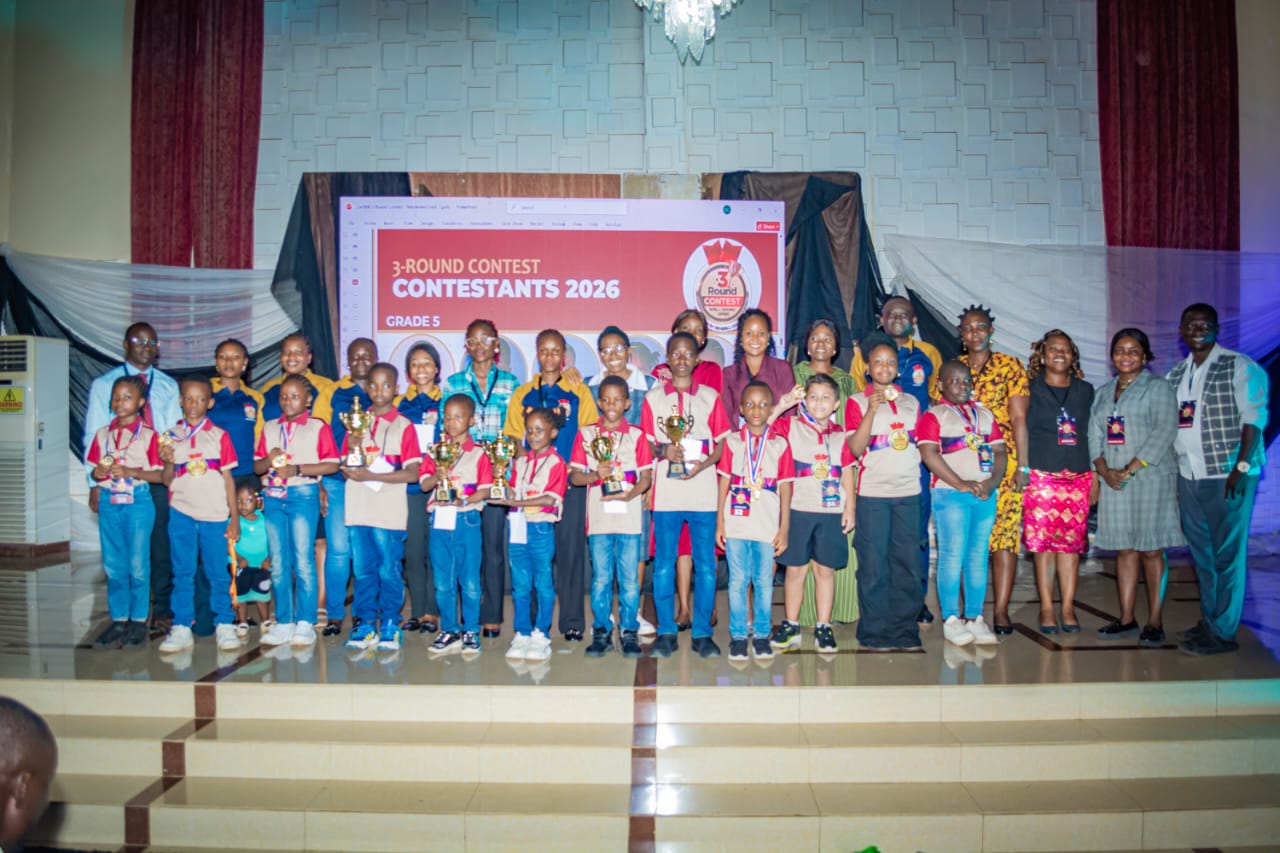
Fifty-nine primary school pupils from across Ilorin walked into Roemichs International Schools on 21st July 2026 as contestants. By the end of the day, only a handful walked out as winners, and one Grade 2 girl very nearly walked out with a perfect score.

ILORIN, Kwara State — There is a particular kind of quiet that falls over a hall full of eight-year-olds right before someone reads out a spelling word. It is not the silence of boredom. It is the silence of fifty-nine children trying very hard not to blink.
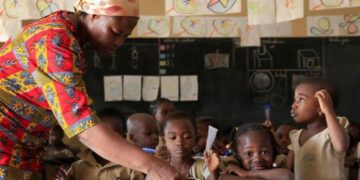
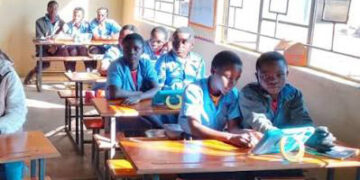
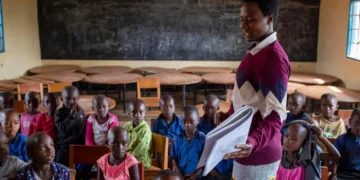
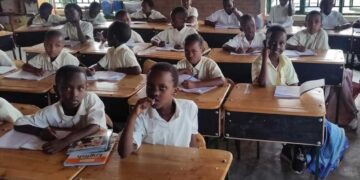
That was the atmosphere at Roemichs International Schools on 21st July, as De-Brill Consults Ltd, in partnership with Reach For The Stars Initiative, staged the fourth edition of its 3-Round Contest & Education Forum. What began in 2016 as a modest literacy exercise has grown into one of Ilorin’s more closely watched primary school competitions, and this year’s edition delivered its most dramatic scoreline yet.

Oluwajuwon Ella Ayoifeoluwa, a Grade 2 pupil of Kingstep International Schools, opened the day with 16 out of 20 in the Spelling round, added 20 out of 20 in Sound and Phonetics, and then produced a Speed Reading score of 93.9 out of 100, a performance so close to flawless that it pushed her final tally to 129.9 out of 140 points, the highest score recorded across all five grade levels on the day.
“This contest makes me a proud mother moment,” her mother, Mrs Oluwajuwon, wrote afterwards in a feedback form, a line that, in its slightly imperfect phrasing, probably captured the day better than any polished quote could have.
How the day unfolded
The morning followed a format familiar to anyone who has sat through a well-run competition: registration, introduction of contestants, introduction of the adjudication team, a reading of the criteria, and a walk-through of contest modalities and scoring, before Round 1 finally got underway.
Grade 5 went first, each contestant tackling ten spelling words. The same ten-word format held through Grades 4, before narrowing to five words for Grades 1, 2, and 3’s youngest contestants.
Then came the sifting.
Of ten Grade 5 contestants, only four survived into Round 2. Grade 4 lost even more ground, three from a larger field made it through. Grade 3 was harsher still: two contestants from thirteen advanced. Grade 2 saw three progress out of sixteen. And in Grade 1, only one contestant, Sa’ad Opeyemi Habeeb of Kingstep International Schools, cleared the Round 1 threshold, meaning he went into Rounds 2 and 3 unopposed and still had to earn his 126.8 out of 140.

One parent’s post-event feedback, only half-joking, suggested the elimination format itself needs a rethink. “Don’t drop contestants at the first round,” she wrote, arguing that pupils tend to settle and relax only after clearing an initial round, and proposing the pronunciation round come first instead. It is the kind of note organisers will likely sit with as they plan edition five.
The winners
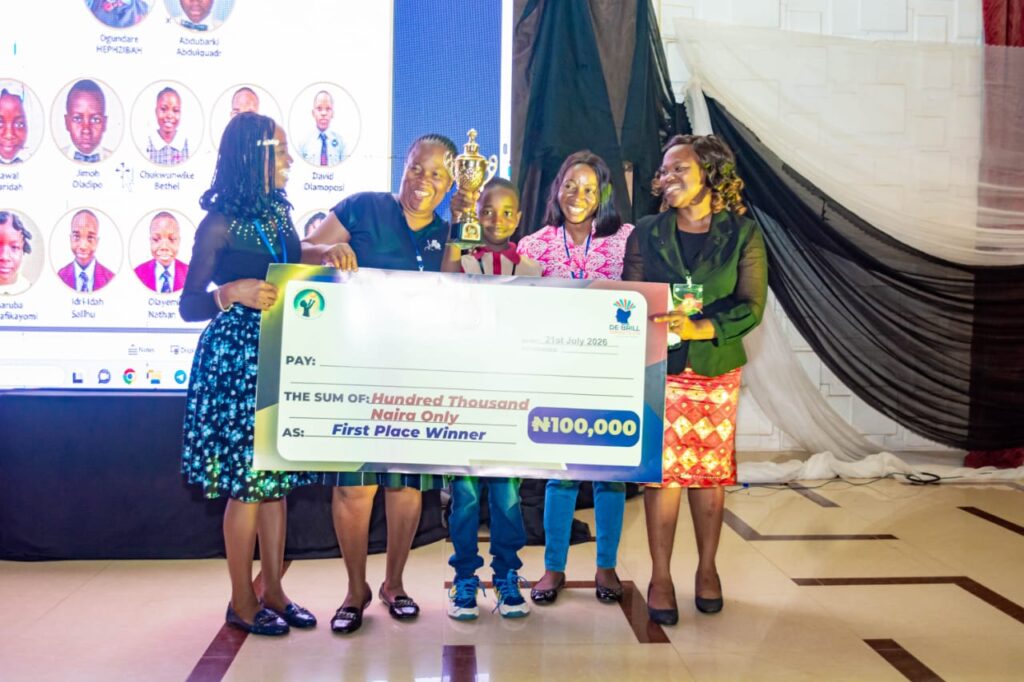
By the time Round 3, the 100-mark Speed Reading round, wrapped up, five champions had emerged:
- Grade 1: Sa’ad Opeyemi Habeeb (Kingstep International Schools) — 126.8/140, unopposed
- Grade 2: Oluwajuwon Ella Ayoifeoluwa (Kingstep International Schools) — 129.9/140; Saliu Hanif (Roemichs International Schools) — 127.4/140; Oluwamurewa Israel Olatunji (Kingstep International Schools) — 102.7/140
- Grade 3: Timon Iheoma Ogharanduku (Aderoju International School) — 121.4/140; Waizaani Ali (Roemichs International Schools) — 121/140
- Grade 4: Idri-Idah Salihu (Roemichs International Schools) — 122.7/140; Ogundare Hephzibah (Kingstep International Schools) — 117/140; Garuba Halimah Oluwafikayomi (St. Charles’ Nursery & Primary School) — 140/140 in the third-place slot, a full mark that stood out even among strong scores
- Grade 5: Zubayr Opeyemi Abdullahi (Thots Cove School) — 112.8/140; Daramola Darasimi (Roemichs International Schools) — 112.4/140; Sulyman Rahma Bibi (Aderoju International School) — 83.1/140
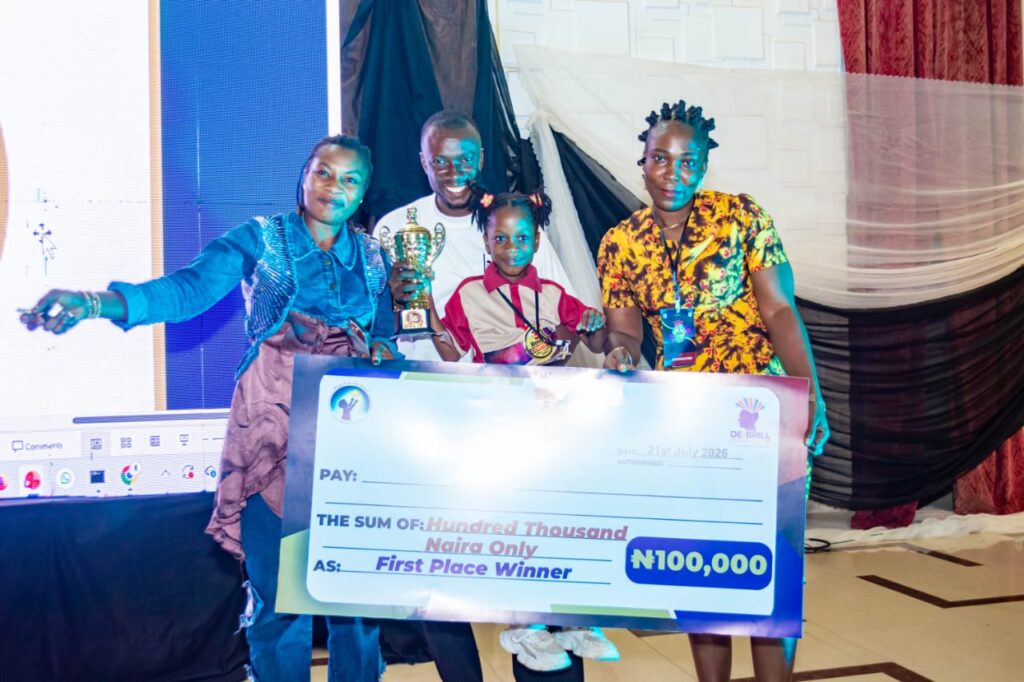
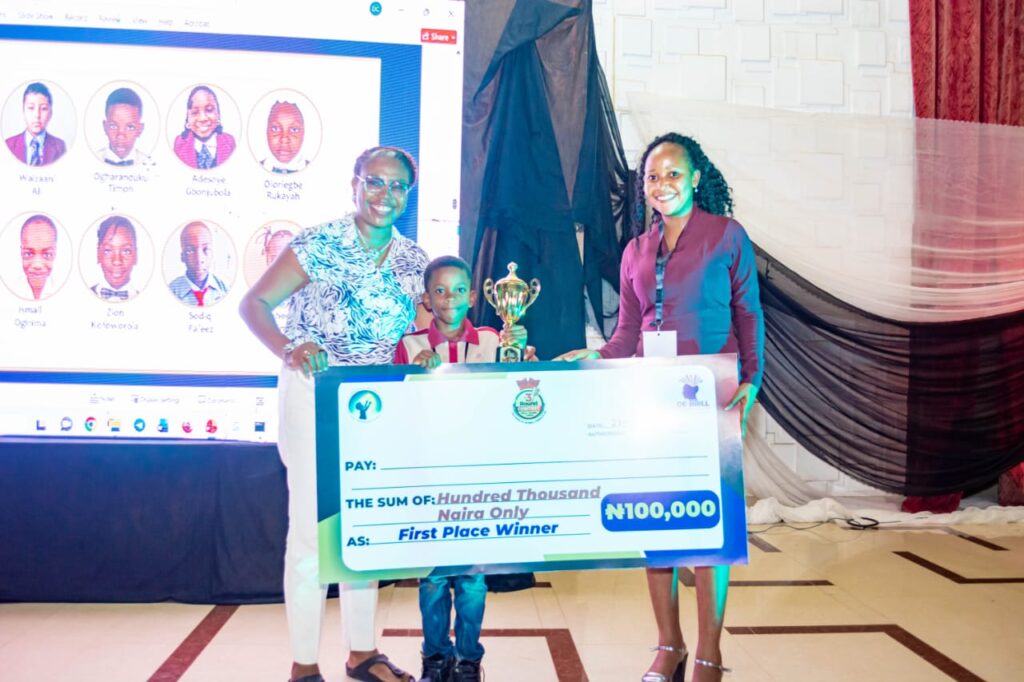
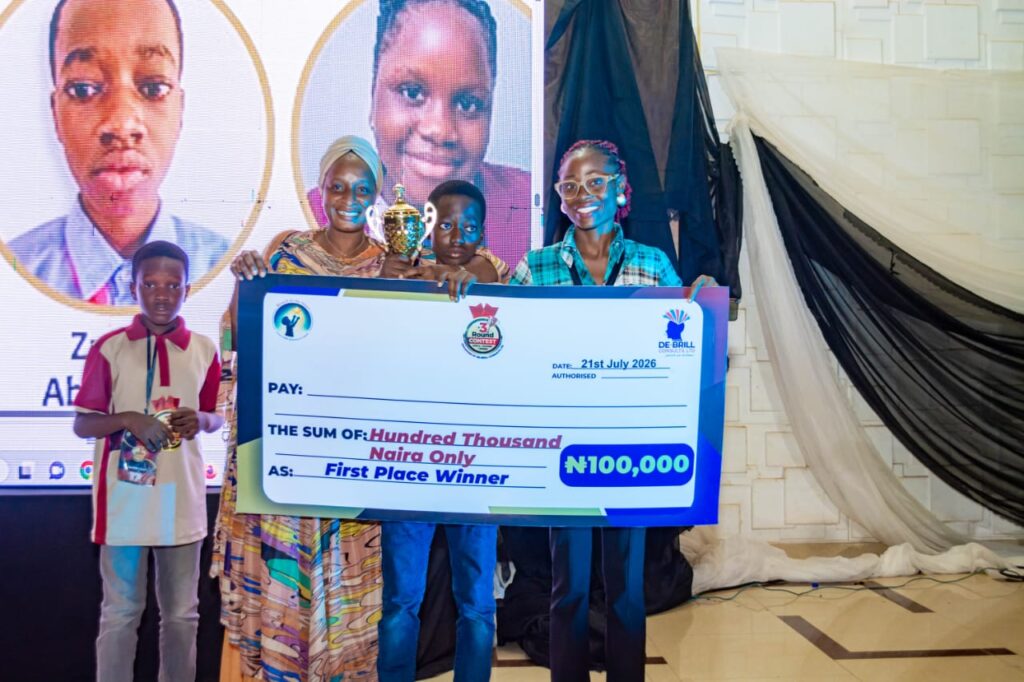
First-place winners in each grade level went home with ₦100,000 and a trophy. Second-place finishers received ₦50,000 and a medal, third-place ₦30,000 and a medal, drawn from an overall prize pool of ₦900,000. Every other contestant left with a consolation souvenir, a detail organisers say matters as much to them as the trophies do.
Behind the scoresheets
What does not show up in a scoreline is the volunteer effort that keeps an event like this running on time, or close to it. In feedback shared after the event, members of the adjudication team, the Primary Pronouncer, Time Keeper, Programme Director, Lead Scorer, and Question Master among them, described the day in warmer, more personal terms than the scoresheets allow.
“I’ve learned a lot these past few months from you,” one wrote to Contest Director David Olufeagba. “You’re a deep well of insightful knowledge.” Another, the Question Master for this edition, put it more simply: “Beyond words and rounds, I gained new confidence.”
Parents, too, weighed in with the kind of feedback that tends to matter more than applause. One mother said she “so like[d] the confidence this programme gave my son.” Another called the event “very interesting and enjoyable,” despite it being her family’s first time attending. Not every note was glowing. Several parents flagged time management as an area to tighten, and one raised concerns about uneven question difficulty across contestants, feedback the organisers say will feed directly into how edition five is structured.
What comes next
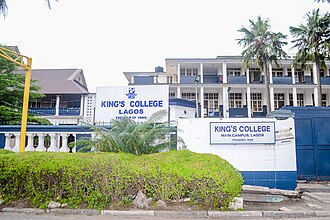
This was the fourth edition of the 3-Round Contest since its founding in 2016, and organisers are already looking outward. De-Brill Consults Ltd has confirmed plans to expand the contest to Lagos in September, taking a format built and refined in Ilorin to a new audience of schools and pupils for the first time.
For now, though, the story belongs to Ilorin, and to a Grade 2 pupil who spelled, sounded, and read her way to within striking distance of a perfect score, and to fifty-eight other children who, for one Tuesday in July, stood on the podium to face the audience, you all did well, and remember that the next edition is another chance to win.













 EduTimes Africa, a product of Education Times Africa, is a magazine publication that aims to lend its support to close the yawning gap in Africa's educational development.