


























The Federal Government has restated its commitment to transforming Nigeria into a skills-driven economy, saying Technical and Vocational Education and Training (TVET) will play a central role in job creation, productivity, and national development.



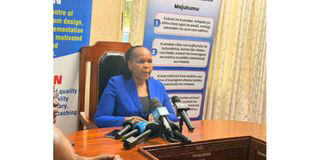
This was the focus of the National TVET Conference 2026 held in Lagos, where policymakers, development partners, and industry leaders gathered to chart a new direction for skills development in Nigeria.

Speaking at the conference, the Minister of Education, Dr. Maruf Tunji Alausa, said the Renewed Hope Agenda is repositioning education to produce job creators rather than job seekers. He noted that with about five million young Nigerians entering the labour market yearly, urgent investment in practical, industry-relevant skills has become critical.
He disclosed that over 150,000 Nigerians are currently undergoing skills training across more than 1,600 accredited centres nationwide under ongoing reforms in the education sector. According to him, the next phase will focus on expanding industry linkages and preparing young people for emerging sectors such as artificial intelligence, robotics, renewable energy, cybersecurity, and advanced manufacturing.

Dr. Alausa, who was honoured as TVET Champion of the Year at the event, said the government is strengthening the National Skills Qualification Framework and expanding competency-based training to improve employability outcomes.
In his opening remarks, the Permanent Secretary of the Federal Ministry of Education, Mr. Abel Olumuyiwa Enitan, also reaffirmed government’s commitment to making TVET a driver of employment, inclusion, and green growth. He urged stronger alignment between training outcomes and labour market needs.
Development partners including Germany, Switzerland, UNESCO, UNICEF, GIZ, and the European Union pledged continued support for Nigeria’s TVET reforms, describing the initiative as key to improving employability, inclusion, and sustainable development.
Lagos State Governor, Babajide Sanwo-Olu, in his address, described TVET as a “smart choice” and a critical pathway to dignity, entrepreneurship, and economic empowerment. He said the state is deliberately investing in technical education to bridge the gap between education and industry needs.

He explained that Lagos currently trains over 10,000 students annually across five technical colleges, with more than 3,300 students placed in industries through work experience programmes. He also noted that over 70 percent of graduates from Lagos technical institutions transition into employment or self-employment.
Sanwo-Olu stressed that TVET is no longer an alternative pathway but a central pillar for economic survival in a fast-changing world shaped by artificial intelligence, automation, renewable energy, and green growth.
He added that Lagos is expanding access, improving curriculum quality, and deepening partnerships with more than 500 industry stakeholders to strengthen skills development.
The governor also highlighted the importance of inclusion, saying women, persons with disabilities, and vulnerable groups must have equal access to technical education and economic opportunities.

He concluded by calling for stronger collaboration among governments, industry, and development partners, warning that countries investing heavily in human capital will lead the future global economy.
The three-day conference, themed “Harnessing TVET as a Pathway to Employment: Building a System for Employability, Inclusion and Green Growth in Nigeria,” brought together stakeholders to strengthen Nigeria’s skills ecosystem and accelerate economic transformation.

















 EduTimes Africa, a product of Education Times Africa, is a magazine publication that aims to lend its support to close the yawning gap in Africa's educational development.