



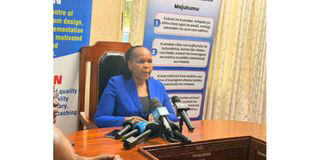












































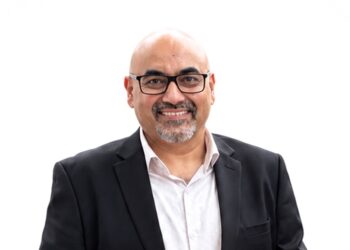
Somtochukwu Akujuruobi is the State Programme Manager for 3MTT (Three Million Technical Talent) in Anambra State, under the Federal Ministry of Communications, Innovation, and Digital Economy. Since taking on the role, she has grown Anambra’s fellow community from under 3,000 to over 4,000 fellows, helped drive the state into the national Top 10 for programme beneficiaries, and led Anambra to a first-place finish at the South East Regional Hackathon and Impact Summit. Her work spans community building, fellow support, and strategic partnerships with local hubs, government agencies, and academic institutions aimed at bridging Anambra’s tech literacy and employment gaps. She is also a Global Mentor with the Global Mentorship Initiative (GMI), where she helps close the opportunity gap for underrepresented graduates worldwide to secure their first professional roles and build thriving careers.


Section 1: The Role & The Community (Ground Operations & Reach)
1. Day-to-Day Realities
Walk us through what a typical week looks like steering 3MTT across Anambra State. What operational realities or behind-the-scenes demands consume far more time and energy than most observers realize?

Honestly, my week starts with a lot of meetings; that’s just how it kicks off. From there, I’m checking in on my fellows, making sure everyone’s okay, dropping updates where needed, and keeping an eye on our community platform to make sure even fellows who haven’t been assigned a cohort yet still feel carried along and informed.
Mondays especially are hectic for me. I’m a mother of two; my daughter’s in school, and my son is just a year old, so before any meeting starts, I’m already deep into “mom mode”: getting my daughter ready, feeding my son, and trying to get him settled before 10am so he’s not climbing on my laptop mid-meeting. That part of my week never makes it into any report, but it’s very real.

What actually eats up most of my time and energy, though, is fellow support. Even when updates have already gone out in the group, a lot of fellows will still DM you directly with the exact same question. And then there are the calls, sometimes ridiculously early, sometimes close to midnight, for things that really could’ve waited or been resolved through the channels already in place.
It’s a full week, no doubt. Tedious at times, but genuinely fulfilling, because at the end of it, you can see fellows actually moving forward.
2. Momentum & Scale
How has the active fellow community in Anambra expanded since Cohort 1, and what milestones propelled the state into the national Top 10 for program beneficiaries?
We started with under 3,000 fellows when the Telegram community was first created, and over time we’ve grown to 4,000 fellows. That growth didn’t happen by accident; it took intentionality, and a lot of it came down to making fellows feel genuinely seen.
Our community check-ins, for instance, aren’t run like a typical programme-manager-to-fellow update session; they feel more like a family meeting. Fellows bring their concerns, we address them, I share updates, and I make it a point to encourage people, because a lot of them are juggling life outside of 3MTT and can get discouraged along the way. That culture of accessibility, with fellows reaching out to me directly, knowing they’ll be heard, is a big part of what kept people engaged and growing the community organically. I also made it a habit to talk about 3MTT wherever I was given a platform, panels, women-in-tech events, or speaking engagements, using every opportunity as free visibility for the programme in the state.
One initiative I’m particularly proud of is what I call the “weekly learning experience.” I started this back in Cohort 2, having fellows post what they’d learned each week on LinkedIn, before it became a national 3MTT practice. Beyond building consistency, it pushed fellows who didn’t even have a LinkedIn profile to create one, which matters enormously for anyone building a tech career and hoping to be visible to recruiters. I ran monthly consistency challenges with small prizes to keep momentum going.
As for the Top 10 ranking specifically, one milestone stands out: our performance in the Knowledge Showcase competition, which was one of our biggest sources of recognition. Early on, participation from Anambra was almost nonexistent, sometimes just one person. I couldn’t accept that, so I created dedicated support groups for every showcase cycle, ran masterclasses on how to present within the time limits, brought in colleagues to coach fellows, and even taught some of them how to use tools like Loom to record and edit their submissions. Participation grew steadily, from one, to two, to four, and that momentum carried through.
Another turning point came in Cohort 3, when physical training wasn’t available and classes moved fully online, a real problem for fellows without personal laptops. Rather than let that translate into mass dropouts, I leveraged my relationships with two local hubs and convinced them to let our fellows use their facilities completely free of charge, with no commitment required from either side. That single decision drastically reduced what would otherwise have been a significant dropout rate for that cohort.
And because the “weekly learning experience” habit was already ingrained by the time the national programme rolled out its own weekly reflection requirement, our fellows adapted instantly; they were even competing to be among the first 30 to submit. All of that consistency and visibility work is really what I would credit for Anambra’s place in the national Top 10.
3. The Anambra Context
How does executing 3MTT across Anambra’s distinctive urban and commercial landscape (Awka, Onitsha, Nnewi) differ from places like Lagos or Abuja in terms of infrastructure, tech literacy baselines, and local market absorption?
Anambra’s landscape is genuinely different from Lagos and Abuja, and those differences shape a lot of the decisions I make as a state manager.
On infrastructure, Awka, Onitsha, and Nnewi simply don’t have the same density of tech hubs that you’d find in Lagos. And even the few tech hubs we do have often lack the facilities to fully support fellows; many require you to bring your own laptop rather than offering shared equipment. That’s not surprising, honestly. Anambra is known as a business state, not a tech one. I will say, though, that the state government deserves credit here: internet connectivity has genuinely improved across most parts of the state. Power supply remains a challenge, but that’s a national issue, not unique to Anambra; most hubs here run on backup power sources just to keep functioning.
On tech literacy, a good number of our fellows come in as true beginners. Anambra is known for business and education; you’ll find schools on almost every street, from primary to secondary, but structured tech exposure just isn’t part of that landscape yet. For many fellows, 3MTT is their first real engagement with structured tech learning, and sometimes their first time even using something like LinkedIn. Compare that to Lagos or Abuja, which function almost like tech hubs in their own right, constant meetups, incubators, and tech events, and you can see why fellows there often walk in with more prior exposure.
And market absorption is probably the sharpest contrast of all. Anambra is a commercial powerhouse, trading and manufacturing, but it doesn’t have the tech employment ecosystem that Lagos and Abuja have. So when our fellows get certified, there usually isn’t a local tech company waiting to hire them. That reality pushed me to actively prepare fellows for remote work and freelancing instead. I created a group specifically to share both remote and physical job opportunities with them, because realistically, that’s where most of them will find their jobs, not by waiting for a local tech employer that, frankly, doesn’t really exist here the way it does in Lagos or Abuja.
4. Regional Milestone
Anambra clinched first place at the South East Regional Hackathon and Impact Summit. What was the journey leading up to that showcase, and what tangible opportunities did it unlock for the winning fellows and teams?
That win, from December 2025, is honestly one of the proudest moments of my time on this programme, but it took a lot of intentional groundwork to get there.
When the call for the hackathon went out, we had a strong wave of interest from fellows across the state, and I narrowed that down to a top 10. From there, I ran a mock hackathon, not to pick our final representatives yet, but to evaluate how each team presented their ideas and give them strategic direction before the real stakes kicked in. They submitted their projects and slides beforehand, I reviewed everything, and I also brought in a mentor, Mr. Favour Emeli, a founder I have a strong relationship with, running a thriving business of his own, to review submissions and help judge that mock round. Out of that process, five teams stood out, not necessarily because they pitched the best, but because they came genuinely prepared.
Those top five then went through a second round of feedback and refinement before the virtual hackathon, where we finally selected the team to represent Anambra at the physical Southeast Regional Hackathon in Enugu. By that stage, the mentor had done heavy lifting on the technical and content side of their slides, so my focus shifted to coaching them on delivery, how to pitch with confidence, how to be concise instead of trying to say everything on the slide, and how to handle tough questions from judges without getting defensive. I even shared pitching videos with them and held a dedicated virtual prep session before we traveled.

On the ground in Enugu, I stayed closely involved, reviewing their presentation, asking mock questions, and refining their answers in real time. And before we left the hotel on the actual day, we held hands as a team and prayed, because as a Christian, I believe that effort alone doesn’t get you there; you need Grace too. And we needed it: during our actual presentation, the mic failed and the power went out, delaying us for several tense minutes. But when we finally got back on, the team delivered, and we came out on top.
As for what it unlocked, the momentum has been real. One of our winning team members has since relocated to Lagos to upskill at a major tech hub while continuing to build out the idea from the hackathon. They are in the process of developing and refining their product rather than rushing to launch; the goal is to come out with something solid and defensible when it does go public, rather than something half-formed. So while we haven’t seen a finished product hit the market yet, the win has clearly opened doors and given fellows the confidence and exposure to keep pushing their ideas forward seriously.
Section 2: Outcomes, Placement & Venture Creation
5. Local Ventures & Solutions
Beyond nationwide flagship startups, what homegrown products or venture prototypes are Anambra fellows building? We are particularly interested in solutions emerging from local hackathons or specialized learning clusters.
Our fellows have built quite a few solutions rooted directly in problems they see around them in Anambra, and a few really stand out.
The most prominent is TamperShield, the winning product from the South East Regional Hackathon. It’s a real-time file integrity monitoring application designed for African SMEs, built to protect businesses from tampering, insider threats, and fraud. Given how central trade and small business are to Anambra’s economy, it’s a solution that speaks directly to a real, local pain point.
Another is FloodVerse, a smart flood prediction and resilience platform. Flooding is a recurring seasonal challenge in parts of the state, so this platform was built to help save lives through early prediction while also sustaining itself financially through a data-driven revenue model rather than relying purely on grants or donations.
We also have BusWatch360, which won the NextGen Knowledge Showcase. It’s a real-time communication app that keeps parents updated on their children’s school bus status, a simple but genuinely useful solution for a common everyday concern for families.
What ties these together is that they’re not abstract tech projects; they’re solutions fellows built because they understood the problem firsthand, whether it’s business security, environmental risk, or family safety. That’s the kind of homegrown innovation I think the programme is really proving out in Anambra.

6. Employment Realities
What does the employment trajectory look like for Anambra fellows across local hiring, remote tech roles, internships, and freelance gigs? How is the state team tracking long-term career progression once cohorts wrap up?
Honestly, it’s been a nice mix across the board. On the gig side, we had about 34 fellows last year who got picked to supervise students during the JAMB resit exams, paid work, and a great example of fellows putting their skills to use in real life. We’ve also had a few land internships, including one at a private school and others through the NJFP route.
On actual jobs, it’s been encouraging. One of our fellows got an internship as a software developer with a Chinese company, which honestly says a lot, because it shows our fellows can compete for opportunities way beyond Anambra or even Nigeria. And another too at Onitsha Business School as an intern. Also, some of our fellows were employed as full staff at Integral Development Konsult (IDK) and Innovation Growth Hub (IG Hub) after serving as interns. And just recently, we’ve had two more wins; one fellow got hired at Jonic Group in August, and another just got a job at Jobberman this month.
So across the board, gigs, internships, remote roles, and actual employment, fellows are finding their way, and a lot of it comes down to their own hustle plus the exposure they’ve gotten from the programme. It’s honestly one of the most rewarding parts of this job, watching people go from “I don’t know where to start” to actually landing something real.
7. The Human Impact
Is there a fellow whose journey redefined your perspective on what 3MTT can achieve on the ground—someone whose story cuts deeper than conventional marketing narratives?
There’s one fellow whose story I don’t think I’ll ever forget. She joined as a Next Gen fellow, also coming from a teaching background, training in data analysis, a skill that was already helping her manage her students’ records and results even before she finished the programme. But during the final stretch of her cohort, while working on her capstone project, she lost her dad.
I honestly expected that to be the end of her journey with us, no one would have blamed her for stepping back. But she didn’t. In the middle of preparing for and completing his burial, she still found the strength to return, finish her capstone project, and submit it to be certified. That, to me, is what 3MTT actually means on the ground, it’s not just about skills and certificates; it’s about what people are willing to fight for even in their darkest moments, and the fact that this programme meant enough to her to see it through anyway.
Another fellow who’s stayed with me is a woman who’d been a teacher for six years before joining 3MTT with zero tech background, training in data analysis and visualization. She not only graduated, but the skills genuinely transformed her work; she now uses data analysis in managing her students’ academic records, and remarkably, it’s even supporting her ongoing PhD research. What struck me most, though, was her personal transformation. She came in reserved, someone who didn’t see herself as a confident communicator. Through volunteering as a webinar coordinator in our community, she grew into someone comfortable leading online sessions and engaging an audience, a version of herself she hadn’t seen before.
These are the stories that remind me this programme isn’t just about employment statistics. It’s about resilience, personal growth, and people discovering capacity in themselves they didn’t know was there.
Section 3: Systemic Bottlenecks & Practical Solutions
8. Breaking Through the Device & Placement Barrier
You pioneered a hub-based device access model and university partnerships that cut dropouts by 30%. How are you tackling the next hurdle: transitioning skilled fellows into sustainable paid work?
Beyond the job-opportunities group where I share remote and physical roles with fellows, I’ve been running targeted masterclasses to actually prepare them to compete for those roles. One focused on LinkedIn optimization and resume writing, since a lot of fellows have profiles by now, but they needed to learn how to actually tailor them to attract recruiters. The more recent one, which we held in July, was on building a portfolio. That one felt especially important, because in tech, a portfolio speaks louder than a certificate. Fellows need something tangible to show alongside their 3MTT certification if they’re going to genuinely compete in the job market.
My biggest recent move on this front is a new partnership. I secured in this month a two-month mentorship programme with Utiva for NextGen fellows who’ve just completed their cohort. Through that mentorship, fellows will be paired directly with mentors to build real products that solve real problems, rather than just theoretical projects. That’s the missing piece I kept seeing: skilled fellows who could talk about what they did learned but didn’t yet have something real and tangible built to prove it. This partnership is designed to close exactly that gap and hopefully turn “skilled talent” into “employable, paid talent” much faster.
9. Operational Friction
How have resource disbursements, device availability, and cluster logistics affected your Applied Learning Clusters (ALCs) across Anambra, and how have you navigated those tensions locally?
On funding, honestly, sometimes it hasn’t always matched what’s needed, especially when it comes to hosting summits or hackathons. Whenever I find the allocated resources falling short of what the logistics actually demand, I go out and secure private partnerships. My ALCs themselves have been a huge support here; some provide materials, venue space, and equipment; others even help with fueling for events and sometimes direct financial contributions. So when the formal funding doesn’t stretch far enough, I lean on those relationships to fill the gap.
Device availability has been one of our toughest challenges. A significant number of fellows don’t own personal laptops, so they depend entirely on ALC facilities to train. When that access isn’t reliable, it directly threatens their ability to stay in the programme. In fact, for one particular cohort, this became serious. I noticed fellows going quiet in the community, ran a poll to understand why, and discovered device access was the core issue. I had to lean on my relationships with local hubs to secure fellows scheduled slots, specific days each week where they could come in and use laptops, internet, and power to keep learning and prepare for their capstone projects.
Cluster logistics compound this further. Anambra genuinely doesn’t have many fully equipped ALCs with facilities available; only a handful can comfortably host over a hundred fellows with laptops provided; most require fellows to bring their own device. In the whole state, we only have two real physical training providers: Awka and Onitsha. That’s a serious geographic challenge for fellows coming from places like Ekwulobia or Nnewi, where transportation costs alone can be a barrier to attending physically.
To solve that, I made sure every ALC class was also live-streamed. So even if a fellow can’t make the physical trip, they can join the class virtually as the tutor teaches in real time, following the lesson and asking questions just as if they were in the room. It’s not a perfect substitute for physical training, but it’s meant that distance and device gaps don’t have to mean a fellow gets left behind entirely.
10. The Golden Fix
If you could resolve one single systemic or policy bottleneck overnight, what would immediately transform job absorption and placement rates for your fellows?
If I had to point to one thing, it would be the mismatch between what fellows are trained to do and what the local economy actually demands. Anambra is fundamentally a commercial and trading state, not a tech hub, so a lot of the skills fellows learn simply have no local market for them, which forces almost everyone toward remote work by default. And the remote space is brutally competitive; our fellows aren’t just competing with each other, they’re competing with talent from the UK, the US, and other far more developed tech ecosystems. If the curriculum could incorporate skills that are actually in demand within the local business environment, not just globally relevant ones, fellows would have a real shot at being absorbed immediately after training, right where they are.
The second piece, closely tied to that, is the absence of a structured placement pipeline. Right now, fellows are largely left to find their own way into jobs after certification, through personal networking, community groups, or sheer persistence. What we need is a real partnership between the federal and state government that connects certified fellows directly to local employers and remote opportunities systematically, rather than leaving job-hunting entirely up to the individual fellow. If that pipeline existed, we wouldn’t just be producing skilled talent, we would be producing employed talent, and that’s ultimately what would transform placement rates overnight.
Section 4: Strategic Vision, Ecosystem & Partnerships
11. Ecosystem Evolution
Is 3MTT merely augmenting an existing Anambra tech ecosystem, or are you laying down the foundational digital infrastructure and talent pipeline from scratch?
I would say 3MTT is augmenting what already existed, not building from nothing. Before 3MTT came into Anambra, there were already tech hubs and tech communities operating in the state, but their reach was limited, mainly because they were paid, and only a small number of people could actually afford to learn tech skills through them.
What 3MTT did was take that existing but narrow foundation and scale it dramatically. Where those hubs might train people in the tens, 3MTT is training fellows in the thousands, completely free, alongside other opportunities that come with the programme. It also directly addressed one of the biggest barriers those hubs couldn’t solve: device access. Through initiatives like the Knowledge Showcase, a good number of fellows who came into the programme without a personal laptop have actually graduated with one.
So rather than creating Anambra’s tech ecosystem from scratch, 3MTT poured fuel on something that already had a small flame, turning a niche, paywalled opportunity into one of the largest, most accessible tech communities in the state and building real awareness of tech as a viable path for far more people than those original hubs ever could.
12. Strategic Alliances
What local collaborations—from the Anambra State ICT Agency to university leadership, ALC partners, and private sector employers—have proven most indispensable to your execution?
Without question, the Anambra State ICT Agency, led by Mr. Chukwuemeka Fred Abata, has been our most indispensable partner. In fact, they’re the only government parastatal actively supporting 3MTT in the state. Their backing has gone far beyond a courtesy; after I paid him a visit, he gave 3MTT the endorsement and full policy backing. When we launched our very first community event and hackathon in the state, his agency showed up completely, connecting me to key contacts and opening doors to tech communities I wouldn’t have had access to otherwise. Whenever I need to reach someone or need that extra layer of credibility behind a request, his office is who I turn to, and the support has been consistently unwavering.
Next would be my ALC partners, hubs like Innovation Growth Hub, Integral Development Konsult, and LM Tech Hub. What stands out about them is that their commitment goes beyond the fact that they’re compensated to train our fellows, there’s a genuine investment in fellows’ growth, and they’ve consistently shown up to back our summits, hackathons, and events with real support, not just contractual obligation.
Peter University comes next. Their partnership gave us physical training access in areas like Ekwulobia, expanding our reach to more young people who otherwise wouldn’t have had a nearby entry point into the programme. Beyond hosting fellows, they are willing to enroll their own students and staff into 3MTT, open their ICT hub to outside learners as well, and most significantly, agree to incorporate the 3MTT curriculum directly into the university’s own academic offering. That’s a level of institutional buy-in that goes well beyond a typical venue partnership.
And finally, we’ve also had support from various private sector players along the way, smaller in scale compared to the above, but still meaningful contributions to keeping the programme running in the state.
13. One Year Forward
Looking ahead twelve months, what concrete benchmarks define success for 3MTT Anambra in terms of active community size, verifiable placements, and sustainable ventures?
On community size, our goal is to keep growing steadily beyond where we are now. We’ve already moved from under 3,000 to over 4,000 active fellows, and over the next twelve months, I would like to see us cross the 5,000 mark while maintaining the same level of genuine engagement rather than just growing numbers on paper.
On placements, this is an area I’m intentional about improving, not just informally hearing about wins, but actually building a structured way to track outcomes. Over the next year, my goal is to establish a proper alumni tracking system so we can move from anecdotal success stories to verified numbers, with a target of at least doubling the number of fellows we can confirm have moved into remote roles, local jobs, internships, or consistent freelance work.
On sustainable ventures, the goal is to take some of the strong ideas that have already come out of our hackathons and showcases, like TamperShield, FloodVerse, and BusWatch360, and push them from prototype to something closer to a functioning, sustainable product. With the new mentorship partnership with Utiva now in place, I would like to see at least a handful of fellow-led ventures reach a stage where they’re generating real traction, users, revenue, or serious investor interest, rather than remaining competition-stage prototypes.











 EduTimes Africa, a product of Education Times Africa, is a magazine publication that aims to lend its support to close the yawning gap in Africa's educational development.