



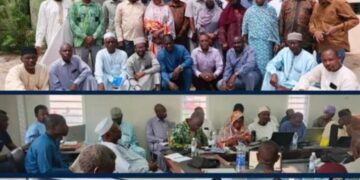



















Students of the Department of Theatre Arts, Federal University Lokoja, on Sunday staged a series of drama presentations in Karaworo Community, New Layout, Lokoja, as part of their 2026 Community Theatre Project.
The performances focused on promoting unity, self-help, peaceful coexistence, and community development.

The 300-level students used the playlets to highlight how tribalism, division, and a lack of cooperation continue to fuel local challenges, while urging residents to embrace dialogue and collective responsibility.
The presentations also addressed issues such as water scarcity, poor road networks, accident risks, and epileptic power supply.

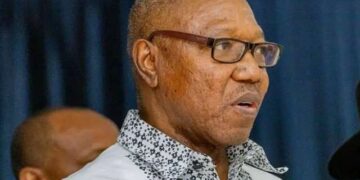
Speaking at the event, the Vice Chancellor of the university, Prof. Gbenga Ibileye, said the exercise reflects the growing relevance of Theatre Arts in addressing societal challenges.
He noted that the discipline currently attracts more applicants than any other humanities programme at the institution.
Ibileye also encouraged students to commercialise their creative skills in areas such as costume design, stage design, playwriting, makeup, and event coordination.
“This is something that would give you food, a quality livelihood. It will make you your own employer and, if diligent, employer of several other people,” he said.
“Why are you looking for a job? The job is in you. You should be able to use your skill to earn a living and employ people.”
The Head of the Department of Theatre Arts, Dr Felix Egwuda, said the project is structured in two phases comprising community sensitisation and a follow-up evaluation to assess progress made by residents and authorities.
“If government is not doing it, they should do it,” he said, citing roads and water supply as areas communities can address through collective effort.

Chairman of the 2026 Planning Committee, Prof. Awam Menegbe, said the students conducted field research before developing skits based on identified community challenges.
“We have come to sensitise the people about the necessity for self-help, for cooperating, and communal efforts towards communal development,” he said.
Menegbe noted that the outreach programme had previously been held in Lokongoma, Ganaja, and Adankolo, adding that Karaworo residents had been particularly supportive of the initiative.
The Etsu Lokoja, HRH Emmanuel Akamisoko Dauda-Shelika, commended the students for identifying community problems and promoting harmony.
“There is no human being called government. You can’t go to any office and say, ‘I’ve come to arrest government.’ We are the government,” he said.
A total of 86 students participated in the performances.
One of the students, Yakubu Paul, said the production underscored the need for unity and self-reliance among residents.
“If they could be united, drop pride, tribalism and religion, come together and discuss, they could help themselves and then go to the right leaders,” he said.
The department reaffirmed its commitment to follow-up engagements to ensure that issues identified during the outreach are tracked and addressed over time.












 EduTimes Africa, a product of Education Times Africa, is a magazine publication that aims to lend its support to close the yawning gap in Africa's educational development.