
























A leading academic at Babcock University has urged African governments, researchers, and health stakeholders to adopt a coordinated strategy to address the continent’s growing population pressures and persistent nutritional crises.
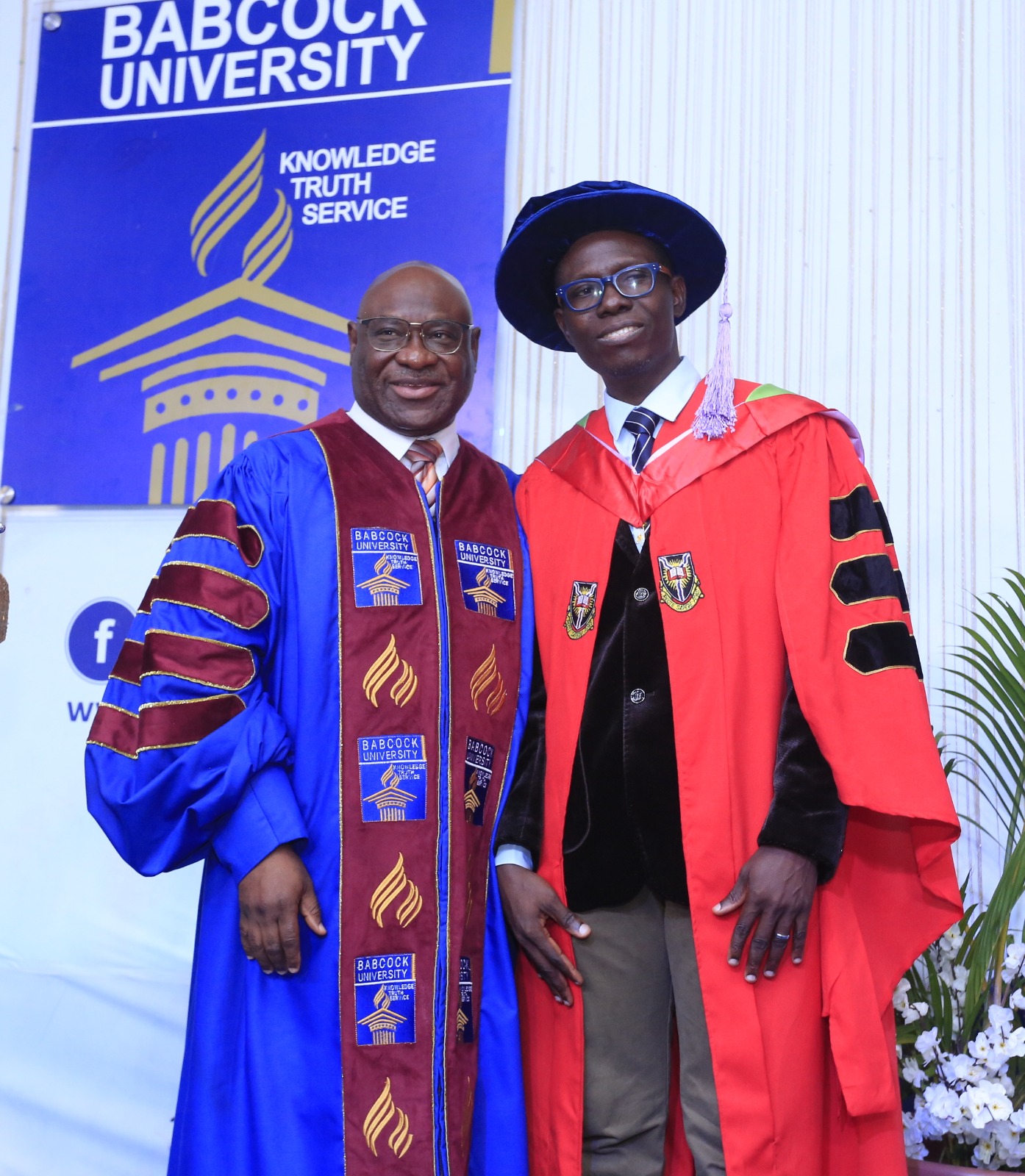
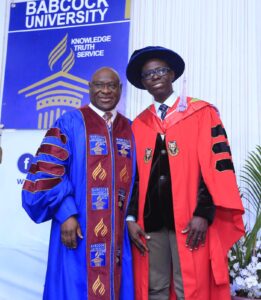
The university’s 62nd inaugural lecturer, Olutayo Sunday Sokunbi, made the call during his lecture titled “Food as Medicine, Food as Poison: Navigating the Double-edged Plate.” He warned that Africa’s demographic trends, if not matched with strong nutrition systems, could worsen poverty and child health outcomes.

Sokunbi emphasized the need for urgent implementation of a continental nutrition framework anchored on the First 1000 Days strategy. He said this period remains critical in preventing stunting, wasting, and micronutrient deficiencies among children.
According to him, the proposed roadmap includes standardizing complementary food formulations using locally sourced ingredients, developing safe breast milk banking systems across African countries, and exploring the commercial potential of lactogenic agents derived from Africa’s biodiversity.


He also called for harmonised maternity and paternity leave policies across African nations, alongside stronger investment in community-based nutrition systems capable of reaching rural and underserved populations.

“Food can be both medicine and poison. The choices we make in nutrition will determine our health status and whether Africa’s demographic advantage becomes a blessing or a burden,” he said.
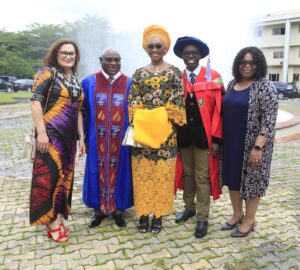
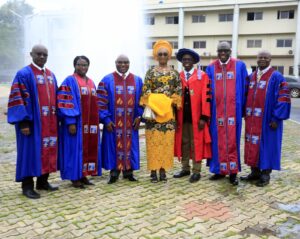
The lecture attracted dignitaries, including the First Lady of Ogun State, Bamidele Abiodun, among other policymakers and academics.
Beyond nutrition, Sokunbi also urged closer collaboration between government agencies, pharmaceutical researchers, and traditional medicine practitioners to advance medical education and innovation in Nigeria. He advocated increased funding for research into medicinal plants and the integration of traditional knowledge into modern healthcare systems.
He noted that Africa’s biodiversity presents untapped opportunities for developing affordable health solutions, adding that targeted investment in research and training could transform the continent’s health outcomes.
Sokunbi concluded that with sustained political will, research funding, and stakeholder collaboration, Africa could turn its population growth challenges into a demographic dividend—ensuring improved nutrition, stronger health systems, and better outcomes for future generations.















 EduTimes Africa, a product of Education Times Africa, is a magazine publication that aims to lend its support to close the yawning gap in Africa's educational development.