

























The Federal Government says it has successfully eliminated the leakage of examination questions in the West African Senior School Certificate Examination (WASSCE) and the National Examinations Council (NECO) examinations following sweeping reforms introduced across Nigeria’s education sector.
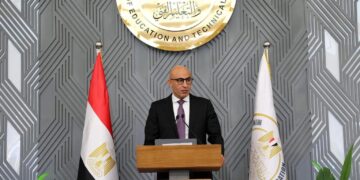
Minister of Education, Dr. Tunji Alausa, made the announcement while speaking at the maiden convocation ceremony of Miva Open University held at the Wole Soyinka Centre for Culture and the Creative Arts in Lagos.

According to the minister, the introduction of computer-based testing (CBT) and a hybrid examination system has drastically reduced examination malpractice, restoring confidence in the nation’s public examination process.
He explained that before the reforms, examination question leakages had become a recurring challenge, often compromising the integrity of national examinations and placing honest candidates at a disadvantage.

Alausa recalled that he frequently received reports confirming that examination papers had leaked before they were written, describing the situation as a major concern for the education sector.
He, however, said decisive government interventions have changed the narrative, noting that examination malpractice in WAEC and NECO has been brought under control.

The minister stressed that preventing question leakages protects diligent students from the pressure to engage in dishonest practices and helps restore fairness to the examination system.
He added that the reforms are part of the Nigeria Education Sector Renewal Initiative championed by President Bola Tinubu’s administration to improve learning outcomes and strengthen educational standards.
Alausa also disclosed that the Federal Executive Council has approved amendments to the Universal Basic Education Act and the National Senior Secondary School Education Act to improve the governance and delivery of education nationwide.
Beyond examination reforms, the minister highlighted ongoing efforts to review the national curriculum by reducing excessive subject loads and placing greater emphasis on foundational learning, critical thinking, digital literacy and skills required for the future workforce.
He further noted that the Federal Government has invested significantly in medical education, technical and vocational training, student accommodation and digital infrastructure as part of broader efforts to improve access to quality education across the country.












 EduTimes Africa, a product of Education Times Africa, is a magazine publication that aims to lend its support to close the yawning gap in Africa's educational development.